Neighbors, Not Spectators: Co‑Creating the Story of Greener Homes

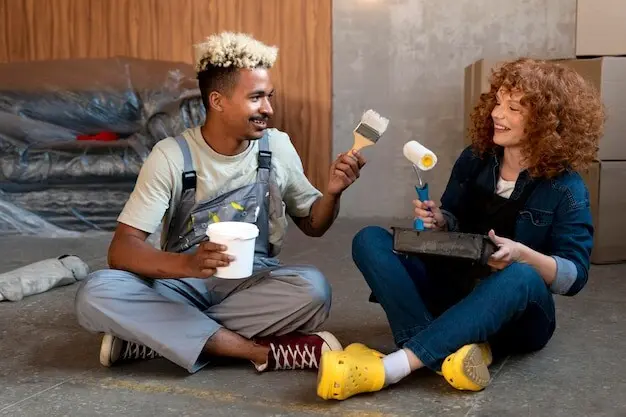
Today we dive into community co-design workshops that shape the narrative of green homes—hands-on gatherings where neighbors, designers, and builders turn lived experience into resilient, low-energy, healthy housing. Expect practical methods, heartfelt stories, and tools you can use locally. Share your own examples in the comments, invite a friend, and subscribe to help this movement grow with accountable action, measurable comfort, and everyday joy.

From Listening Circles to Floor Plans

Effective co-design begins with listening that honors memory, culture, and daily routines, then steadily translates those stories into useful drawings, prototypes, and site strategies. When elders recall winter drafts and kids describe homework corners, design decisions around daylight, ventilation, and layout become grounded, respectful, and easier to maintain together after construction.

Narratives that Move Budgets and Hearts

Stories carry numbers into decisions. When a workshop links drafty nights to insulation performance and monthly bills, funding conversations shift from abstract kilowatt-hours to felt relief and stability. Clear narratives help win grants, sway permitting boards, and convince lenders that long-term health and predictable costs are worth prioritizing over short-term minimum compliance and lowest-bid compromises.

A Morning Without Drafts

Maria described making tea while cold air nipped her ankles even with the oven on. That single memory reframed insulation and air sealing as dignity, not luxury. With that lens, the group prioritized targeted envelope upgrades first, then finishes—unlocking a budget sequence that delivered immediate comfort, safer indoor air, and meaningful savings without postponing cultural touches or welcoming aesthetics.

The Payback That People Feel

Kilowatt-hours are helpful, but a child sleeping through the night without coughing convinces faster. Translate performance into lived milestones: quieter rooms, steadier temperatures, and lower peak bills during heat waves. These outcomes motivate decision-makers, reinforce community trust, and justify smart splurges like better windows or continuous ventilation that quietly protect health every hour of every season.

From Vision to Line Items

Co-created values become procurement criteria. Comfort targets determine air sealing thresholds; health goals shape low-VOC specifications; equity aspirations guide local labor hiring. Break the budget into stories that explain why each choice exists. Stakeholders then defend line items together, reducing change orders and protecting mission-critical details when inevitable surprises appear during permitting, supply delays, or contractor mobilization.

Materials, Health, and Carbon Without the Jargon
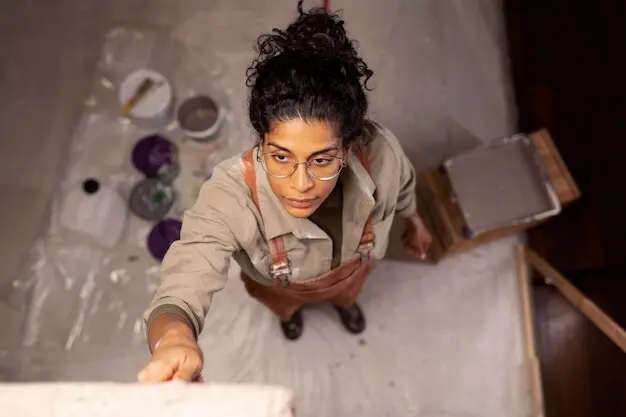
Technical decisions should feel humane. Workshops unpack insulation types, adhesives, paints, and flooring through hands-on samples, plain-language labels, and lived experience with asthma, odors, and durability. By linking embodied carbon and toxicity to household routines, residents confidently choose solutions that respect budgets, reduce environmental harm, and still deliver warmth, quiet, and low-maintenance beauty over decades.

Inclusion by Design, Not Invitation Alone

Participation expands when barriers shrink. Effective workshops provide childcare, stipends, translation, food, and hybrid access, plus meeting times that respect shift workers and elders. Facilitation methods rotate voices, making space for renters, youth, and newcomers so solutions reflect the fullness of community life, not only the loudest schedules or the most architecturally fluent perspectives present.

Designing the Room for Everyone

Begin with small-group dialogues, accessible seating, and visual aids that welcome all literacy levels. Provide simultaneous interpretation and cultural liaisons who bridge norms. Use color-coded stickers and tactile models so participation does not hinge on jargon. When people feel physically and emotionally safe, truths emerge faster, conflicts soften, and better green home decisions rise from genuine belonging and patience.

Fair Feedback Loops

Close the loop after every session with plain-language summaries, annotated drawings, and quick polls in multiple languages. Host pop-up reviews at playgrounds, laundromats, and faith centers for those who missed meetings. This rhythm protects trust, reveals blind spots early, and keeps design ownership where it belongs—shared, traceable, and ready for the next informed choice together.

Governance After the Ribbon-Cutting

Workshops seed long-term councils that steward building health. Train residents to read utility dashboards, replace filters, and spot moisture issues before damage spreads. Rotating roles, stipends, and transparent decision records prevent burnout. Governance becomes a living practice, turning green features into everyday habits that keep homes comfortable, affordable, and proud long after cameras and ceremonies depart.

One Wall, Many Lessons

Build a side-by-side wall showcasing cellulose, mineral wool, and foam, then measure sound and temperature. Let people touch, knock, and compare. Taped air barriers that actually stop a fan’s breeze turn abstractions into wonder. Children become ambassadors, explaining comfort to parents, while contractors appreciate real feedback before scaling details across entire buildings and future maintenance cycles.

Numbers that Tell Human Stories

Share simple dashboards showing indoor particulate levels, humidity, and energy patterns, annotated with resident quotes. When a graph dips during dinner thanks to range hoods, the connection clicks. Combine metrics with photos and notes from elders’ journals. Data, translated through lived narrative, transforms into consensus, guiding fixes quickly and celebrating wins without burying anyone in spreadsheets.

Start One Where You Live

You can host the next workshop. Begin with a tiny, welcoming pilot in a library room, park shelter, or school cafeteria. Keep snacks, name tags, and clear goals. Invite partners, document what worked, and schedule the next step before leaving. Share outcomes publicly, ask for help, and treat momentum as a shared neighborhood garden to tend carefully.
Namixaxuhorazahipohafipako
Privacy Overview

This website uses cookies so that we can provide you with the best user experience possible. Cookie information is stored in your browser and performs functions such as recognising you when you return to our website and helping our team to understand which sections of the website you find most interesting and useful.