Bring the Wild Home: Stories Woven Into Space

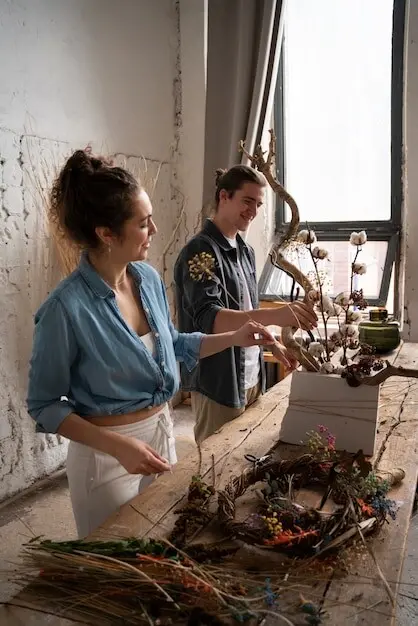
Today we explore Biophilic Storytelling: Translating Local Ecosystems into Residential Design Elements, turning nearby shorelines, woodlands, and city meadows into textures, patterns, and rituals at home. Expect practical methods, heartfelt anecdotes, and collaborative tips that help your rooms echo place, welcome wildlife, and nourish daily routines with belonging. Share your questions below and tell us which landscapes shape your memories.

Mapping Seasons and Microclimates

Sketch sunlight angles across months, track the warm pockets near stone and the cool bands beside shade trees, and mark where frost lingers. These patterns suggest window treatments, thermal zones, and plant placements. When you share your notes, others can reflect on similar shifts and discover overlooked seasonal opportunities inside their own homes.

Listening to Species Rhythms

Sit still for ten minutes and list visitors: swifts tracing dusk spirals, beetles crossing thresholds, or bats stitching nighttime arcs. Their timetables inspire lighting scenes, quiet corners, and unobtrusive nesting nooks. Post a short observation log; we’ll propose gentle design gestures that respect cycles while welcoming companionship into everyday routines.

Tracing Water’s Path

Follow the story of rain from gutter to garden, puddle to storm drain. Water defines edges, soils, and reflections worth echoing indoors through textured tiles, soft blue-greens, and contemplative surfaces. Share a photo after rainfall, and we’ll imagine entry mats, storage, and thresholds that celebrate arrival instead of fighting wet footprints.

From Narrative to Material Palette

Stone, Soil, and Color Stories

Let local stone inspire countertop veining, exterior sills, or small altar ledges that hold gathered pebbles. Borrow soil hues for paints and textiles, anchoring rooms with familiar chroma. Photograph a handful of earth from your garden, share its tone, and we’ll suggest layered colorways reflecting riverbanks, bluffs, or dune lines nearby.

Timber With a Past

Reclaimed boards from barns or piers carry scars that read like chapters. New FSC-certified species can echo canopy composition outside. Vary grain directions to suggest wind-swept movement. Post a picture of regional trees you love, and we’ll propose species, stains, and joinery that narrate forest stories without overwhelming daily life.

Plant Fibers and Low-Tox Finishes

Jute, cork, linoleum, and hempcrete invite touch while moderating acoustics. Pair them with low-VOC oils and waxes that let materials breathe. This improves indoor air quality and preserves subtle scent notes. Ask about a room you’re updating; we’ll outline a gentle, place-sensitive finish schedule you can apply over one restorative weekend.

Patterns, Light, and Movement

Introduce mid-scale repetitions in screens, rugs, and railings, avoiding monotony and chaos. Research suggests such patterns reduce stress and mental fatigue. Borrow motifs from ferns, shells, or lichen. Post a snapshot of a favorite natural pattern outside; we’ll translate its geometry into latticework, perforated panels, or textile weaves that quietly soothe.
Layer views: distant horizon, mid-ground branches, and near textures on sills. Use shelves to hold plants where sun travels gently. Diffuse glare with translucent fibers rather than heavy blocks. Tell us when rooms feel harsh or dull, and we’ll map glazing types, reflectance levels, and shade strategies that keep circadian cues friendly.
Operable windows at varied heights invite stack ventilation, while aromatic planters near entries hint at seasons. Soft water sounds or leaf rustle dampen mechanical hum. What local smell do you miss indoors after a long week? Share it, and we’ll design a subtle, natural ritual that welcomes it back thoughtfully.

Rooms as Habitats

Let prep zones flow from wash to chop to compost like tributaries joining a stream. Use durable, tactile surfaces that guide cleanup effortlessly. Showcase herbs reflecting local understory plants. Share your sink view, and we’ll propose micro-adjustments—lighting, shelving, and planting—that turn chores into gentle participation in neighborhood hydrology.
Shape a protected nest with layered canopies, dimmable, warm light, and grounding textures. Orient the bed toward a calm view while keeping drafts controllable. Bring in scent notes from evening blooms. Tell us what disrupts your rest, and we’ll craft place-rooted adjustments supporting softness, privacy, and steadily restorative nights.
Treat mudrooms and porches as transition habitats where outside life greets inside rituals. Durable floors, drains, and native planting trays honor weather. Hooks and baskets support foraging or gardening. Post a photo of your entry; we’ll suggest storage, lighting, and planting tweaks that celebrate arrivals without tracking disorder through the home.

Making It Local: Community and Craft

Place-based design thrives on relationships. Collaborate with nearby makers, gardeners, and researchers who know the land intimately. Commission small elements that strengthen cultural continuity. Swap seeds, stories, and tools. Tell us which community resources inspire you, and we’ll connect design moves to local talent, keeping value and meaning rooted close to home.

Engage Indigenous and Scientific Knowledge

Consult local knowledge keepers and ecologists for guidance on plants, water, and respectful materials. Co-create without extraction, crediting contributors visibly. This enriches accuracy and care. Share a reading list or resource you admire, and we’ll fold its insights into practical details, honoring both tradition and ongoing research with humility.

Neighborhood Sourcing and Stewardship

Source stone offcuts, reclaimed timbers, or salvaged fixtures from nearby yards to cut transport impacts and deepen narrative. Offer leftovers to neighbors in turn. Snap a picture of a found material; we’ll brainstorm joinery, finishes, and placements, ensuring circularity feels beautiful, safe, and convenient rather than burdensome or purely symbolic.

Measuring Impact and Caring Over Time

Good stories evolve. Track how your home supports well-being, biodiversity, and resource cycles. Adjust quietly, season by season, instead of chasing instant perfection. Share observations and small wins with our community. We’ll offer feedback, prompts, and checklists so your spaces keep learning from the living world beyond every window.

Health, Mood, and Connection Metrics

Journal sleep quality, daylight exposure, concentration ease, and moments of delight. Invite household feedback over tea. While numbers help, narratives matter equally. Post a weekly reflection, and we’ll suggest micro-tweaks—seat placement, plant care routines, or scent timing—that keep you engaged without turning your home into a rigid laboratory.

Biodiversity at the Doorstep

Count pollinator visits, bird songs at dawn, or seedlings that return unprompted. These signals show whether your design greets neighbors with habitat rather than hurdles. Share sightings, and we’ll refine perches, bloom succession, and water dishes, improving hospitality for wild guests while preserving comfort and cleanliness for everyone inside.

Maintenance as Storytelling Practice

Care is where narratives anchor: oiling wood, pruning climbers, adjusting shades as seasons turn. Keep tools ready and schedules flexible. Tell us which chore you avoid, and we’ll reframe it with ergonomic setups, small rewards, and community accountability so tending remains joyful, resilient, and beautifully aligned with local cycles.

Namixaxuhorazahipohafipako
Privacy Overview

This website uses cookies so that we can provide you with the best user experience possible. Cookie information is stored in your browser and performs functions such as recognising you when you return to our website and helping our team to understand which sections of the website you find most interesting and useful.